
The Power Of Validation: For Emotional Healing
This article will explore the topic of validation and the power that validation has to promote healing from emotional wounds and trauma.
The definition of ‘validation’ from the Century dictionary:
val•i•da•tion
- n. The act of giving validity; a strengthening, enforcement, or confirming; an establishing or ratifying. Blount, Glossographia (1670).
- n. The act of giving validity.
- n. The act of validating something.
The Need For Validation And The Healing Effects
Validation is an essential need in various areas just as the physical body needs certain nutrients to thrive. The need for validation is often mentioned with a ‘negative’ connotation, such as someone ‘seeking’ validation from others (especially from others who never intend to provide this validation even if they should). Human beings are supposed to receive validation right at the beginning of their lives. Babies need validation for their immediate physical needs and this ‘need’ for validation runs throughout one’s life. If left, ‘unvalidated’ a person can suffer in various ways. Validation is a form of acknowledgment and affirmation.
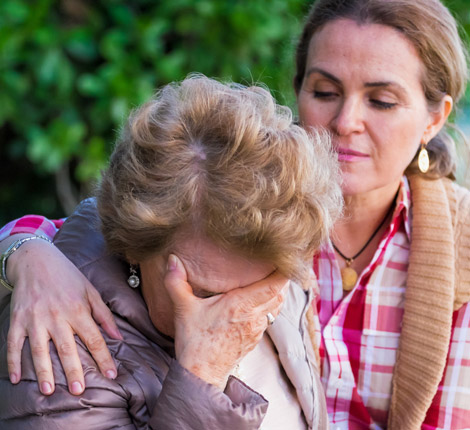
Validation says, ‘I see you, I hear you, you are not alone in your experience’. Validation is not only a need, but it is also a very important key for healing from wounds. Validation has the power to heal and bring relief from overwhelming emotions, pain and feelings of isolation. It is important to note that it can be unhealthy for one to look to certain others for validation (as some may never give the validation that someone desires), but validation coming from the ‘right source’ will bring great healing. Healthy relationships will involve some level of validation which is freely given in the context of a safe and loving relationship.
Different forms of validation can include the validation of:
- one’s identity,
- one’s worth,
- one’s emotions,
- one’s abuse, pain and trauma,
- one’s history,
- one’s abilities, talents, successes and,
- one’s experiences
Examples of validation:
- someone expresses that they are angry- validation looks like: ‘I can tell that you are feeling angry, how can I help?’
- someone shares a memory of abuse- validation looks like: ‘I can only imagine how hard that must have been for you, is there anything that I can do’.
- someone has just excelled in a project or test- validation looks like: ‘you did an excellent job with your project’.
- a baby starts to cry- validation looks like: responding to the baby’s cries and finding out what they need (milk/nutrients, a diaper change, temperature regulation, the need to be held).
- a father takes his child to work and introduces the child to his co-workers: validation looks like: the father introducing the child to his colleagues as his son or daughter thereby validating their identity (instead of not acknowledging the child’s existence or who they are).
- an employer introduces a new employee to the other employees- validation looks like: the employer saying, ‘this is the newest member of our team and they have been hired due to their skills and talents, please make them feel welcome’.
The Healing Effects Of Validation:
-It helps alleviate the burden of knowing something that no one else knows
-it empowers someone to be able to face what they are dealing with inside
-it says to someone that they are ‘seen, believed and heard’
-it lifts someone out of a sense of being all alone in their pain
-it makes things less overwhelming
-validation can help diffuse the power of intense emotions
The Harmful Effects Of Invalidation:
-invalidating someone’s pain can amplify the pain (just as ignoring someone can cause immense emotional pain)
-invalidation can cause feelings of hopelessness
-self-harm could be a result of invalidating someone’s pain
-addictions can occur due to the build-up of emotions that have not been validated
-a person may become more and more isolated due to the lack of validation
-invalidating someone’s trauma and pain could result in the person becoming depressed and/or suicidal
-overwhelming emotions may be triggered by the invalidation
-invalidation compounds pain, trauma and emotional wounding
The Healing Balm Of An Apology
If one has invalidated someone’s pain and notices how this has caused someone damage then an apology can go a long way towards making things right with that person. One could ask forgiveness for their actions and provide the validation that they should have originally given, which could help alleviate some of the pain inflicted by ‘invalidation’.
The tool of ‘validation’ is a very important key in supporting someone who has experienced trauma or abuse. Along with ‘skilful’ listening (listening to another’s pain without judgement or immediately giving advice), validation will open the door for healing to begin.
…’ People start to heal the moment they feel heard’… Unknown quote