
Tactics Used By Abusers To Silence The Children?
Why a child may be too afraid to disclose abuse and deny it when asked about it?
Many children who have experienced abuse may deny that they are being abused when they are being abused due to threats from the abuser.
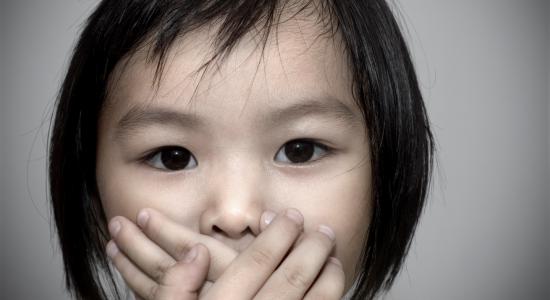
Lies, Threats And Manipulation Used To Silence Children
Some children may have also been so traumatized that they have dissociated and suppressed the memories of being abused. These children may also deny ever being abused, while showing signs that they have been, even without any memory of what happened to them (due to the severity of their trauma). In these situations when the child grows up they may start to have flashbacks or symptoms of being abused.
Children are often told various lies about what would happen if they disclose the abuse. Some things that children are often told to keep them quiet are:
- they will be in trouble or be harmed in some way if they disclose the abuse
- someone else will be harmed or killed,
- their parent/s (or someone they care about) will be ashamed of them
- they will, ‘break up the family’ (if abuse is in the family),
- no one will believe them,
- they will be blamed and punished,
- they will be rejected and abandoned,
- the abuser could tell the child that their parent/s want the abuser to abuse them,
- if a parent (or parents) are abusing the child they may threaten the child with punishment if they tell anyone
- the child may be told that they are unclean, dirty or would be judged if they disclosed their abuse
A child may also hesitate to disclose abuse due to beliefs they came to on their own due to their youth and if they have not been taught about abuse. A child may believe things such as, ‘they are to blame for the abuse.’ They may believe that they are evil or somehow ‘the cause’ of the things that have or are happening to them. If a child in any way believes that something negative will happen if they reveal abuse then they may even deny the abuse if asked directly.
Children Need To Know That They Are Not At Fault
Adults who suspect that a child is being abused should not leave the child unsupervised especially with those believed could be involved. Those who abuse children often use, ‘grooming’ techniques on both the children and the adults around them to present themselves as a ‘safe’ person to gain access and alone time with the child/children.
In the case of dissociation (which can manifest as repression of memories) a child may not have the memory of being abused or even realize what is happening to them even if they have signs and symptoms of ‘a child who is being abused’. Behaviours such as ‘temper tantrums’, ‘outbursts of anger or rage and aggression’, eating issues, body image problems, sexual behaviour that the child shouldn’t know about, acting out sexually, anxiety and panic attacks, changes in moods and behaviour, etc. can all be symptoms of abuse. These behaviours can also be related to other issues, but if a child manifests any of these issues then abuse may be the cause.
A child may need to be separated from the environment and suspected abusers before they are willing to disclose.
They should be told that they would no way be to blame if they have been involved in sexual activity with an adult (or forced to be involved with another child). The child should be taught that they (and others) will be protected if anyone has been threatened. They may need to be told any number of things to alleviate any fears they may have which could be hindering them from disclosing.
Group classes that provide insight about abuse and how abusers lie to children are one way of educating children about this topic. An adult who suspects that a child has or is being abused may need to involve specialists in this area to best help the child.
In every case of suspected child abuse children should not be left unsupervised with the person/people suspected of abuse or alone at all. A child may need the adults around them to protect them when they are not in a place to admit that they are being abused. It is always better to be safe than to have regret about their lack of action later on when abuse has taken place.
Children need to be educated about abuse, about their right to speak out and their right to say no and resist an abuser. Protecting children is the responsibility of the adults around them. A child can not be given the responsibility to make important decisions related to their safety. Adults have the unique ability to intervene and protect children through setting proper boundaries around them. Let us speak up for the children until they can speak up for themselves.